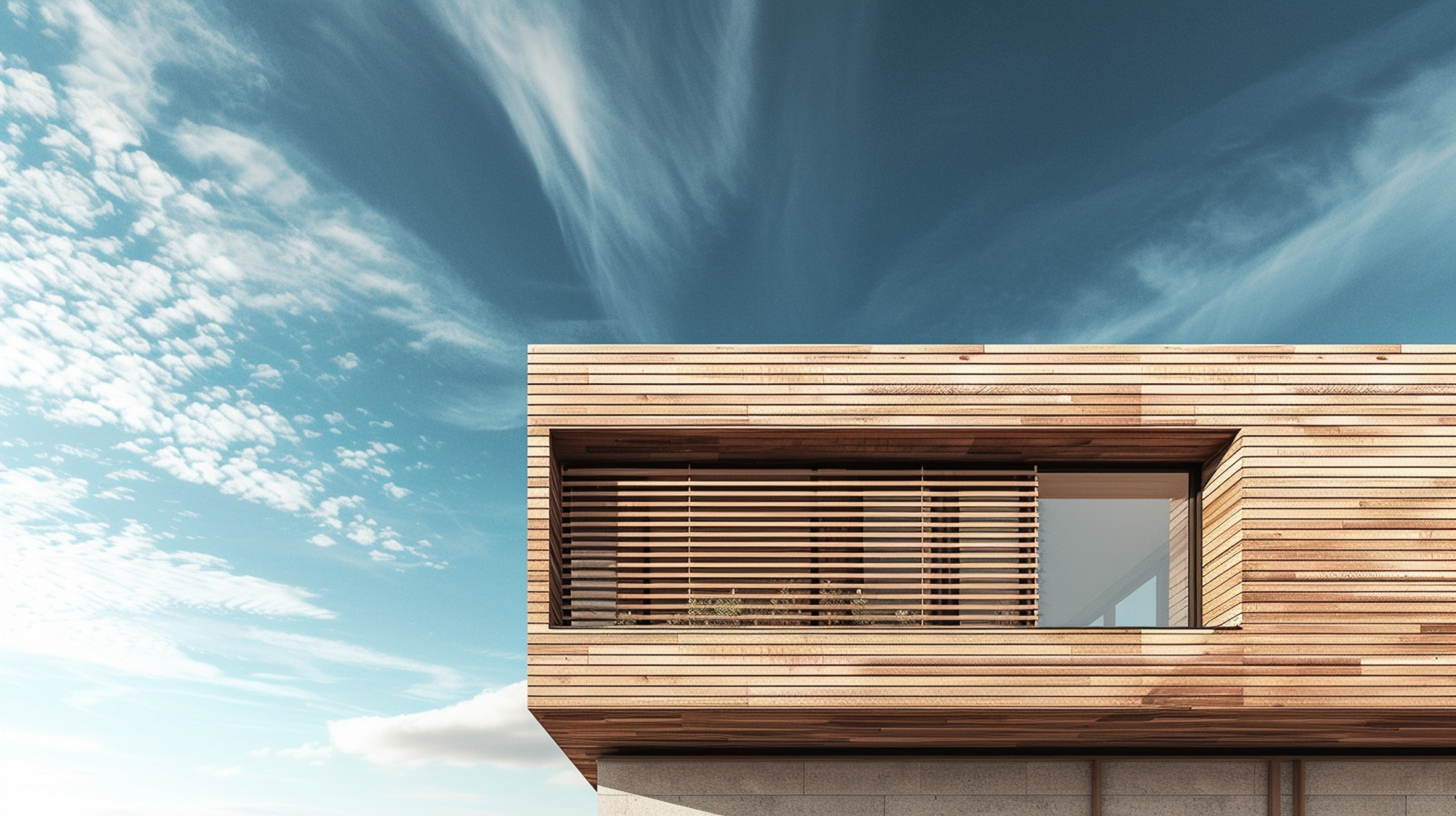
When space is limited, the instinct is often to focus on what’s missing. Fewer rooms. Less storage. Smaller square footage. But well-designed small spaces prove that comfort and openness are not defined by size — they are defined by intention.
Designing small spaces that don’t feel small is about making every decision count. It’s about clarity, flow, and using space intelligently rather than adding more of it.
In small homes, layout is everything. Before materials, colors, or furniture are considered, the organization of space determines how the home will feel.
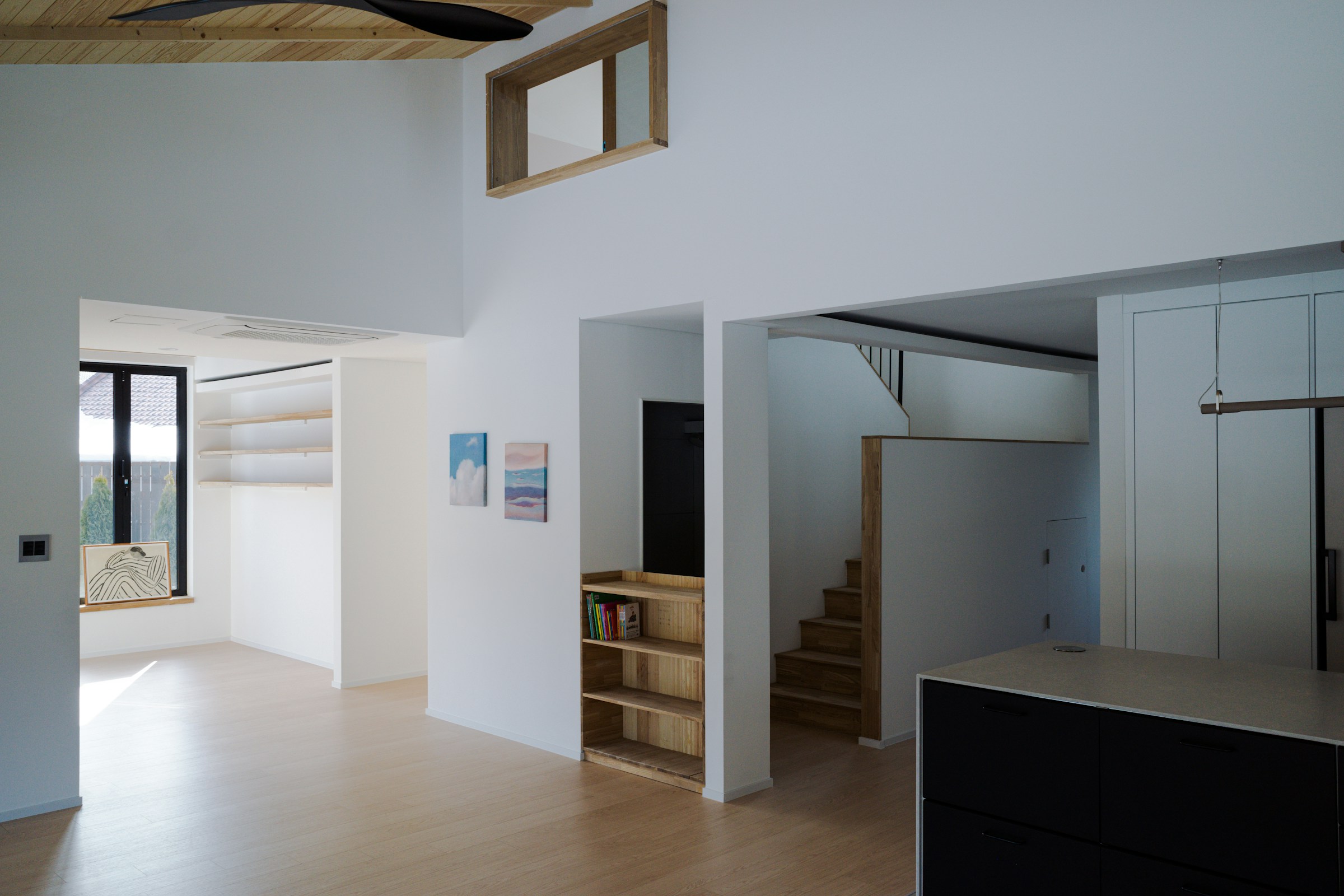
Open layouts with clearly defined zones allow spaces to flow naturally without unnecessary barriers. Rather than separating areas with walls, designers use subtle transitions — changes in ceiling height, light, or furniture placement — to define functions while maintaining openness.
When circulation is simple and intuitive, even compact homes feel calm and spacious.
Natural light is one of the most powerful tools in small-space design. Large windows, sliding doors, and well-placed openings visually extend interiors beyond their physical boundaries.
Light doesn’t just illuminate a space — it creates depth, movement, and a sense of openness. When daylight reaches deep into a home, walls feel less enclosing and rooms feel more expansive.
Positioning windows to frame views rather than simply admit light strengthens the connection between inside and outside, making interiors feel larger than they are.
Freestanding furniture can quickly overwhelm a small interior. Built-in elements, on the other hand, work with the architecture rather than against it.Integrated storage, seating, and shelving reduce visual clutter and create a sense of order. When storage is thoughtfully designed into walls, floors, and corners, the space feels intentional and uncluttered.
This approach allows small homes to remain functional without feeling crowded.
In compact spaces, too many materials or colors can fragment the interior and make it feel smaller. A restrained palette creates visual continuity and allows the space to breathe.
Using the same materials across floors, walls, and built-ins helps unify the interior. Subtle texture replaces contrast, creating depth without distraction.
Consistency in material choice helps small spaces feel cohesive rather than compressed.
Small spaces work hardest when they can adapt. Rooms that serve more than one function reduce the need for additional square footage.
A dining table becomes a workspace. A living area transforms into a guest room. Storage doubles as seating. These layered functions allow the home to support daily life without expanding its footprint.
Designing for flexibility ensures spaces remain useful throughout the day rather than sitting unused.
When floor space is limited, vertical space becomes invaluable. Thoughtful use of ceiling height, upper storage, and tall windows draws the eye upward and creates a sense of openness. Vertical elements help balance proportions and prevent spaces from feeling compressed. Even subtle changes — such as higher ceilings in key areas — can significantly improve how a small space feels.
Designing small spaces requires discipline. Every element must earn its place.
By focusing on simplicity, small homes avoid visual noise and unnecessary complexity. Clear lines, purposeful details, and thoughtful restraint create interiors that feel calm and spacious rather than busy. This simplicity is not about minimalism for its own sake — it’s about clarity.
Small spaces don’t feel small when they are designed with intention. Through smart layouts, natural light, built-in solutions, and adaptable design, compact homes can feel open, comfortable, and complete. When space is used thoughtfully, less truly becomes more. Designing small spaces is not about compromise — it’s about precision.
February 2, 2026

February 2, 2026